

Workplace safety is more than a regulatory requirement; it is a responsibility that directly impacts employee well-being and organizational performance. Understanding Osha 300 Log Requirements is essential for businesses that want to stay compliant, reduce risks, and build a proactive safety culture, yet many organizations struggle with proper recordkeeping due to confusion about what needs to be recorded and how to manage the process efficiently, which is why having a clear and simplified approach can make a significant difference in maintaining both compliance and operational excellence.
Understanding the Purpose of OSHA Recordkeeping
The OSHA 300 Log is designed to track workplace injuries and illnesses in a structured and standardized way, serving as an official record that organizations maintain throughout the year to document incidents that occur within the workplace while also providing valuable insights into recurring hazards, unsafe practices, and operational weaknesses that may otherwise go unnoticed, allowing businesses to take corrective actions and improve safety performance over time.
Key Information Required in OSHA Logs
To comply with OSHA standards, organizations must record detailed and accurate information about each incident, including the employee’s name, job role, date of injury, and a clear description of what happened, along with classifying the severity of the case such as whether it resulted in days away from work, restricted duties, or medical treatment, and in addition to the OSHA 300 Log, employers must also maintain OSHA 301 incident reports and OSHA 300A annual summaries to ensure complete and compliant documentation.
Who Must Comply with OSHA Log Requirements
Most businesses with more than ten employees are required to maintain OSHA records, particularly those operating in high-risk industries such as manufacturing, construction, and healthcare, while certain low-risk industries may be partially exempt, although even exempt businesses are encouraged to maintain internal safety records to monitor workplace conditions, improve safety practices, and stay prepared for unexpected audits or reporting requests.
Common Challenges Businesses Face
Many organizations face difficulties in OSHA recordkeeping due to complex regulations and detailed reporting requirements, with one of the most common challenges being determining whether an incident is recordable, especially when distinguishing between medical treatment and first aid or assessing whether an injury is work-related, while manual processes further increase the risk of errors, missed entries, and inconsistent documentation, which can ultimately lead to compliance gaps.
How Technology Simplifies OSHA Compliance
Modern businesses are increasingly adopting digital solutions to streamline safety management, and EHS management software plays a critical role by automating data entry, ensuring accuracy, and providing real-time visibility into workplace incidents, with platforms like OSHEPRO offering powerful tools that simplify compliance, reduce administrative workload, and enable organizations to generate reports quickly while staying audit-ready at all times.
The Role of Preventive Safety Measures
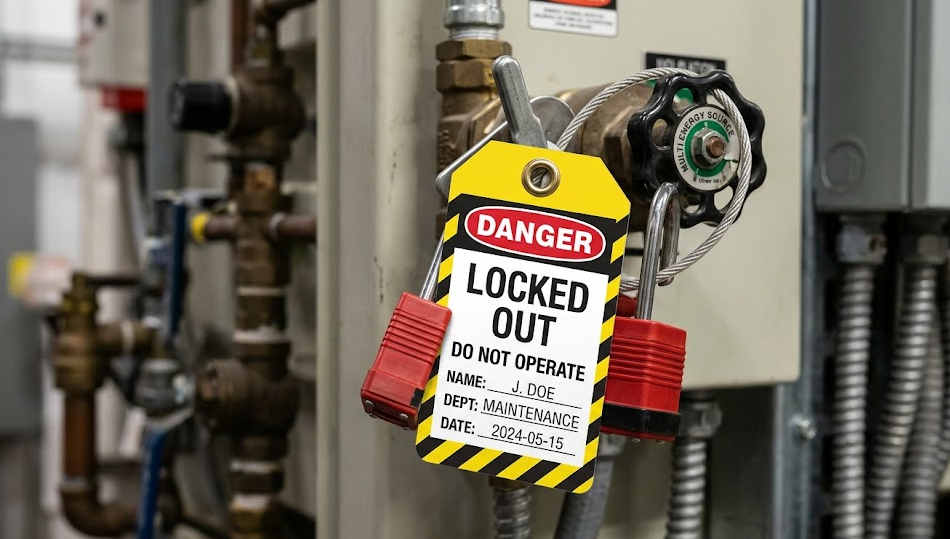
While maintaining OSHA logs is important, preventing workplace incidents should always be the primary goal, which can be achieved through regular safety training, hazard identification, and routine inspections, and implementing procedures like Osha Loto ensures that machinery is properly shut down during maintenance, reducing the risk of accidental injuries while contributing to a safer and more controlled work environment.
Best Practices for Accurate Recordkeeping
To ensure compliance and efficiency, businesses should adopt a structured approach that includes assigning responsibility to a dedicated team or individual, establishing a clear reporting process so employees can quickly report incidents, recording entries within the required timeframe, conducting regular audits to identify errors or missing information, and providing ongoing training to ensure that employees and managers understand OSHA requirements and the importance of accurate documentation.
Consequences of Non-Compliance
Failing to meet OSHA 300 log requirements can result in significant penalties, including fines and legal consequences, while also damaging a company’s reputation and reducing employee trust, and beyond financial impact, inaccurate records can lead to poor decision-making since organizations rely on this data to identify risks and implement safety improvements, making compliance essential for both legal and operational reasons.
How OSHEPRO Enhances Safety Management
OSHEPRO delivers a comprehensive EHS management software solution that integrates recordkeeping, reporting, and analytics into a single platform, enabling businesses to automate compliance tasks, reduce manual errors, and gain actionable insights into workplace safety trends, which not only ensures adherence to OSHA regulations but also supports broader environmental, health, and sustainability goals.
Building a Strong Safety Culture
Creating a strong safety culture requires continuous effort, open communication, and a commitment to improvement, as organizations that prioritize employee well-being tend to experience higher productivity, lower turnover, and fewer workplace incidents, and by combining accurate OSHA recordkeeping with proactive safety measures, businesses can create a safer, more resilient, and more efficient work environment.
Conclusion
Understanding and implementing OSHA 300 log requirements is essential for maintaining compliance and ensuring workplace safety, as accurate recordkeeping allows organizations to identify risks, prevent future incidents, and stay prepared for inspections, and by leveraging modern tools like EHS management software along with proactive safety practices, businesses can simplify compliance while building a culture that prioritizes safety and long-term success.
Frequently Asked Questions
What is the OSHA 300 Log used for?
The OSHA 300 Log is used to record work-related injuries and illnesses, helping organizations track safety performance and identify areas that require improvement.
Who is required to maintain OSHA records?
Most businesses with more than ten employees in high-risk industries are required to maintain OSHA records, although some low-risk industries may be exempt.
How can businesses simplify OSHA compliance?
Businesses can simplify compliance by using EHS management software, automating recordkeeping processes, training employees, and conducting regular audits to ensure accuracy and readiness for inspections.